Make a Personalised Photo Memory Box for a New Baby
October 03, 2026 - Handmade Gifts

October 03, 2026 - Handmade Gifts
September 30, 2026 - Craft Ideas
September 28, 2026 - Home Decor
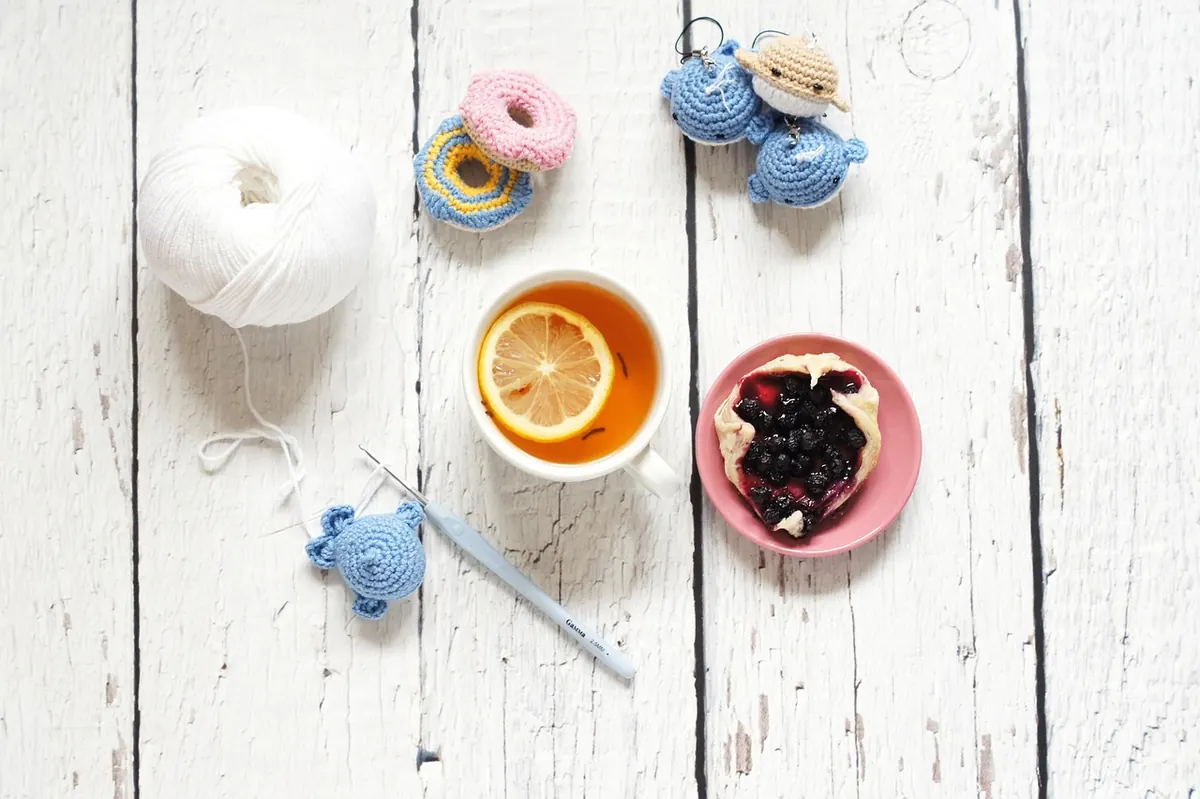
Crochet is one of the most forgiving crafts you can learn. A hook, a ball of yarn and twenty minutes are enough to make something. The first few rows may look uneven, and that is normal. Your hands are learning a new rhythm, and the yarn does not mind if you start again. This guide uses UK stitch terms and walks through the small decisions that make the biggest difference: yarn weight, hook size and a simple granny square you can finish in an evening.
When you are learning, avoid dark colours and fluffy textures. A smooth, light-coloured yarn shows every stitch, so you can spot mistakes before they become a habit. Look for a ball band that says double knitting (DK) or aran. DK is the usual starting point in the UK because it works up quickly and is widely available. Cotton is crisp and shows stitch definition; acrylic is cheap, washable and forgiving; wool has bounce and can be joined neatly. A wool-rich blend is a good compromise.
If you can, buy two or three balls of the same dye lot. Dye lots are the batches in which yarn is coloured, and different batches can look slightly different under certain lights. For a first project, though, one ball is plenty. Check the ball band for the suggested hook size and tension. It is a guide, not a rule, but it gives you a starting point.
Hook sizes below are a rough match for each weight. Your own tension may mean you go up or down a size. Always trust the ball band first, then your swatch.
Crochet hooks come in many materials. Aluminium hooks are smooth, inexpensive and slide easily through acrylic and cotton. They are a good first set. Ergonomic hooks have a rubbery or shaped handle that can reduce hand cramp if you crochet for long stretches. Wooden and bamboo hooks are warmer in the hand and grip the yarn a little more, which some beginners like because stitches are less likely to slip off. There is no single best hook; there is only the hook that feels comfortable in your hand.
Hook size matters because it controls the size of your stitches. A larger hook makes looser, drapier fabric; a smaller hook makes tighter, denser fabric. If your granny square curls or feels stiff, try a larger hook. If it looks loose and gappy, try a smaller one. For a first granny square, a 4 mm hook with DK yarn is a reliable match.
This guide uses UK terms. Many patterns from the United States use the same words for different stitches, which is a common source of confusion. Keep this small conversion in mind:
If a pattern says "dc" and you are not sure which side of the Atlantic it came from, look at the photos or the stitch height. A UK dc is short and compact; a US dc is taller and usually has a yarn over before you insert the hook.
Before you make a granny square, you need three basic moves: a slip knot, a chain and a treble. In UK terms, a treble is the tall stitch used in most granny squares. It sounds grand, but it is just a series of simple loops.
If your first treble looks lumpy, do not pull it out straight away. Make five more. Beginners often judge a single stitch too harshly; rhythm comes with repetition.
There is no wrong way to hold a hook, but there are two common grips. The pencil grip holds the hook like a pen, with the thumb and index finger near the flat part of the hook. The knife grip holds the hook from above, like a knife. Try both and use whichever lets your wrist stay relaxed. For the yarn hand, many beginners wrap the working yarn over the index finger and under the middle finger to create a light tension. You want the yarn to feed smoothly, not strangle your finger. If your hand aches, stop, shake it out, and loosen your grip. Crochet should not hurt.
A traditional granny square is made in rounds. Each round is a group of three trebles, called a cluster, separated by chain spaces. Corners have two
Photo: Kimulechka / Pixabay
Turn a plain wooden box into a keepsake for baby's first year, using paint, decoupage and labels to store tiny...
A practical planning checklist for hosting a craft party, covering invitations, station layout, supplies, snacks,...
October 03, 2026 - Handmade Gifts
September 30, 2026 - Craft Ideas
Copyright © 2026 Ideal Craft. All Right Reserved.